
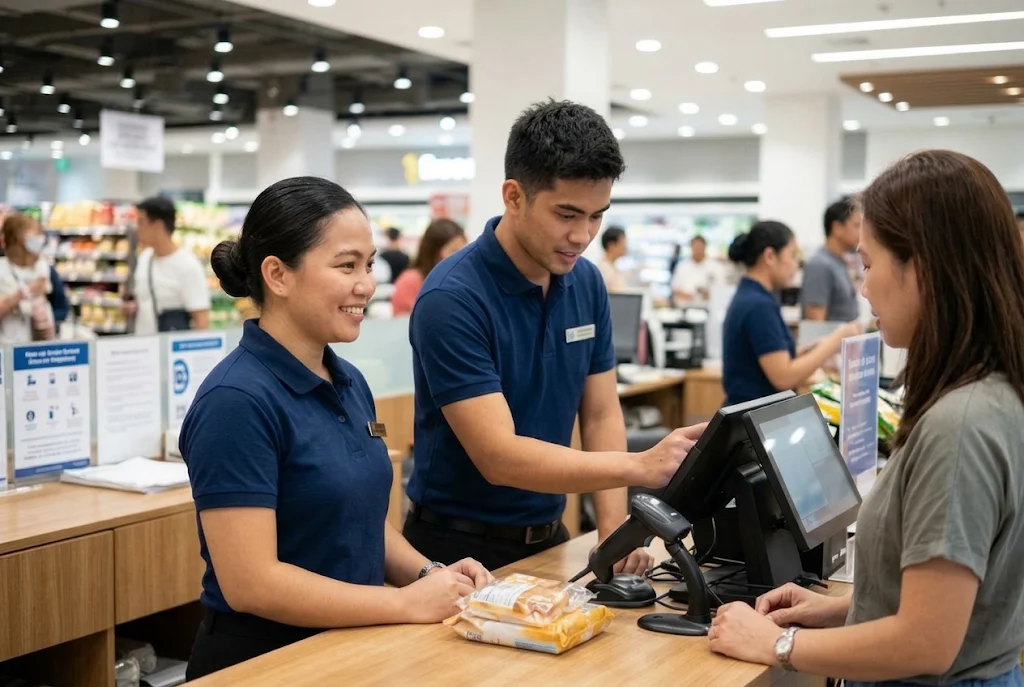
Top benefits of health insurance for retail companies
TL;DR:
Offering health insurance enhances employee retention and reduces turnover in retail businesses.
Health coverage decreases sick days, improves morale, and strengthens your employer brand.
Choosing SME-specific plans with inpatient, outpatient, and dependents coverage maximizes value and affordability.
Running a retail business in the Philippines means competing for quality staff at every level. Floor associates, team leads, cashiers — they all have options, and they know it. Offering a strong salary alone no longer closes the deal for most job seekers. Health insurance has moved from a nice-to-have perk to a real expectation, especially as healthcare costs rise. In this guide, we break down the biggest advantages of providing health insurance to your retail team, how to compare plans built for small and medium enterprises (SMEs), and the practical steps to get your coverage in place without overcomplicating things.
Table of Contents
Key benefits of providing health insurance to retail employees
How to implement the right health insurance solution in your retail business
Our perspective: What most retailers overlook about health insurance ROI
Transform your benefits with the right health insurance partner
Key Takeaways
Point | Details |
|---|---|
Boost talent retention | Offering health insurance helps attract and keep top retail staff by meeting benefit expectations. |
Lower absenteeism | Comprehensive health coverage reduces sick days and maintains workforce productivity. |
Affordable SME options | Philippine health insurance market growth means more tailored, budget-friendly plans for small retailers. |
Easy plan comparison | Comparing coverage, cost, and flexibility helps retailers select the right solution. |
Why health insurance is a game changer for retail companies
Retail is one of the most labor-intensive industries in the country. You need people on the floor, at the registers, and in the back room — and keeping those people is genuinely hard. Turnover in retail is notoriously high, which means businesses spend constantly on recruiting, onboarding, and training replacements. Health insurance directly addresses this cycle by giving employees a compelling reason to stay.
Healthcare costs in the Philippines have been climbing steadily, and employees feel that pressure personally. When they get sick, or a family member does, the financial impact can be devastating for workers earning modest wages. Employers who step in with coverage earn loyalty that no pay bump can fully replicate. Workers remember who protected them when it mattered.
From a market perspective, the timing has never been better to act. The Philippines health insurance market is growing at a 5.09% CAGR and is projected to reach USD 21.21 billion by 2032, driven in large part by employer programs for SMEs. That growth means more provider options, more competitive pricing, and more plans specifically tailored to businesses like yours. Exploring health insurance options for SMEs today gives you access to a market that is rapidly maturing.
Here is what health insurance actually protects against in a retail context:
High absenteeism when sick employees stay home without support
Productivity loss from untreated health issues that worsen over time
Recruitment costs when turnover forces constant hiring cycles
Reputational damage when job seekers compare your benefits to competitors
Low morale when staff feel unsupported by management
“Retail businesses that invest in employee health coverage report measurable improvements in team stability and daily operational output.”
Pro Tip: Partner with providers that specialize in SMEs rather than large corporate insurers. SME-focused providers offer more flexible plan structures, lower minimum headcounts, and pricing that actually fits a growing retail team. You can also review health benefit trends for retail to stay ahead of what your competitors are offering.
Key benefits of providing health insurance to retail employees
Medical health insurance is the largest segment in the Philippine insurance market, which reflects how strongly both employees and businesses prioritize it. For retail owners, the benefits go well beyond goodwill. There are real, measurable gains on the business side.
Here are the most impactful advantages, in order of business relevance:
Improved staff retention — Employees who feel cared for are far less likely to leave for a competitor. Health coverage is a top-three factor in job satisfaction surveys across Southeast Asia.
Fewer unplanned sick days — Workers with access to outpatient care treat problems early instead of waiting until they are too sick to come in. This keeps your floor staffed and your operations running.
Protection from financial hardship — A single hospitalization can wipe out months of savings for a retail worker. Coverage eliminates that fear and builds trust between employee and employer.
Stronger employer brand — Job seekers talk. Businesses known for taking care of their teams attract better candidates and spend less on job ads.
Potential tax advantages — Health insurance premiums paid by the employer are generally deductible as a business expense, which reduces your overall tax liability.
The numbers make the case clearly:
Metric | Without health insurance | With health insurance |
|---|---|---|
Annual turnover rate | 35-45% | 15-25% |
Average sick days per year | 8-12 days | 4-6 days |
Recruitment cost per hire | PHP 15,000+ | PHP 8,000-10,000 |
Employee satisfaction score | Low-moderate | Moderate-high |
These are not small differences. Cutting turnover in half by planning employee health benefits can save a retail business with 20 staff members hundreds of thousands of pesos annually in rehiring and retraining costs alone.
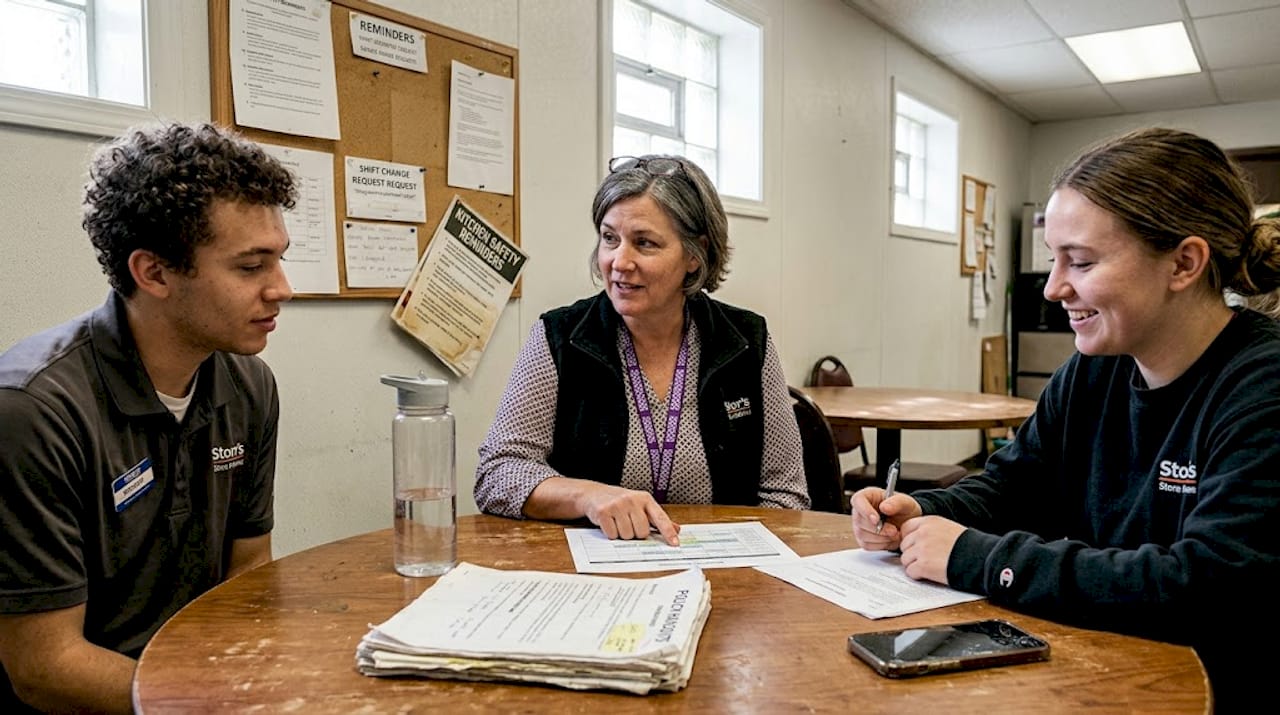
Comparing health insurance plans for retail companies
Not every health plan will suit your retail business. Coverage, cost, and flexibility all vary significantly, and choosing the wrong plan wastes budget while leaving gaps in protection. Employer programs are now one of the primary growth drivers in the Philippine health insurance market, which means providers are actively designing products for businesses like yours.
When evaluating plans, focus on these critical features:
Inpatient and outpatient coverage — Both matter. Outpatient visits are more frequent and are often the first thing employees use.
Dental add-ons — A commonly requested benefit that increases perceived plan value.
Dependent coverage — Some retail workers prioritize covering a spouse or child over personal coverage alone.
Access to accredited facilities — Check which hospitals and clinics are included. Proximity to your store locations matters.
Cashless access — Plans that require upfront payment and reimbursement add stress for lower-wage workers.
Here is a simplified comparison of common plan tiers for retail SMEs:
Plan tier | Inpatient MBL | Outpatient | Dental | Dependents | Est. annual cost |
|---|---|---|---|---|---|
Basic | PHP 100,000 | Limited | No | Optional | PHP 5,000-8,000 |
Standard | PHP 200,000 | Included | Add-on | Optional | PHP 9,000-13,000 |
Premium | PHP 300,000+ | Included | Included | Included | PHP 14,000-18,000 |
MBL means Maximum Benefit Limit, which is the maximum amount the plan will pay for covered claims in a year. Review HMO plan features to understand what each tier includes before committing, and verify the list of accredited HMO providers to confirm your staff can access facilities near your stores.
Pro Tip: Avoid plans designed for large corporations. They typically require high minimum headcounts, have rigid structures, and include benefits your retail team will never use. SME-specific plans are leaner, simpler, and more cost-effective for teams of 5 to 200 employees.
How to implement the right health insurance solution in your retail business
More SMEs are adopting health insurance as a direct competitive advantage in hiring and retention, and the process is simpler than most retail owners expect. Here is a practical roadmap to get started:
Assess your team’s profile — Know how many employees you have, their average age, and what health concerns are most common. Older staff may prioritize inpatient coverage; younger workers often value outpatient and wellness benefits.
Set a realistic budget — Work backward from what you can afford per employee per year. Even a basic plan at PHP 5,000 annually per person is a significant morale booster.
Evaluate provider credibility — Look for providers with strong hospital networks, clear claims processes, and responsive customer support. Ask for references from businesses in similar industries.
Communicate the benefit clearly — Do not assume employees will understand the value automatically. Walk them through what is covered, how to use the plan, and who to contact for claims. Clear communication drives actual usage.
Review coverage annually — Your business will grow and change. What works for a team of 10 may not suit a team of 30. Schedule a yearly review of your health plans to ensure coverage still fits.
“Companies that treat health coverage as a living part of their HR strategy, not a one-time checkbox, see consistently better retention and employee satisfaction over time.”
If you are in the retail food space or manage multiple store formats, it is also worth looking at how health coverage for SMEs is being structured in adjacent industries. The principles transfer directly.
Our perspective: What most retailers overlook about health insurance ROI
Here is the honest truth most providers will not tell you: retail owners who resist health insurance usually do so because they see a monthly premium and calculate it as a pure cost. That framing is the problem. It ignores what you are actually spending on the absence of coverage.
Replace one mid-level employee and you spend PHP 30,000 to PHP 60,000 in lost productivity, recruitment fees, and training time. Prevent that one resignation with a PHP 10,000 annual health plan, and the math is not even close. The return on a well-chosen health plan is often 3x to 5x when you factor in retention, reduced absenteeism, and stronger hiring outcomes.
The businesses winning at talent retention right now are not the ones with the biggest budgets. They are the ones treating their people like a long-term investment. Health insurance is the clearest signal you can send that you take that seriously.
We also see owners underestimate the cultural return. When your staff knows you have their back during a medical emergency, that trust filters into how they treat your customers. It is a connection that is hard to measure but impossible to ignore. For more perspective on this, browse more health insurance guides from teams that have walked this path.
Transform your benefits with the right health insurance partner
If you are ready to stop losing good retail staff to competitors with better benefits, the next step is straightforward. HMO Plans works specifically with SMEs across the Philippines, including retail businesses of all sizes, to build health coverage that fits both your team’s needs and your budget.
Our plans through Purple Cow and Etiqa cover inpatient, outpatient, and emergency care with cashless access to top facilities including the Big 9 Hospitals. Pre-existing conditions, congenital conditions, and special procedures are covered up to the MBL, with no complicated exclusions. Explore your SME health insurance options today, or review the full list of plan features to find the right fit for your retail team.
Frequently asked questions
What is the minimum number of employees needed to qualify for group health insurance in the Philippines?
Most providers require at least 3 to 5 regular employees to set up a group plan, though this varies. Medical health insurance is the most in-demand segment, so providers actively design accessible entry points for small teams.
Can part-time or seasonal retail workers be covered by health insurance?
Some plans allow coverage for part-time staff if they meet minimum working hours per week. Check eligibility rules directly with your provider, as employer programs vary in how they define covered employees.
How much does health insurance typically cost per retail employee?
Costs generally range from PHP 5,000 to PHP 18,000 per employee per year depending on plan tier, provider, and company size. The Philippine health insurance market growing at 5.09% CAGR also means more competitive pricing options are entering the market each year.
Are premiums for employee health insurance tax deductible for retail companies?
Yes, health insurance premiums paid on behalf of employees are generally treated as a deductible business expense in the Philippines, which reduces your taxable income.
What is the main difference between HMO and traditional insurance for retail businesses?
HMO plans give your employees cashless access to a network of accredited hospitals and doctors, while traditional insurance typically requires paying out of pocket first and claiming reimbursement later, which adds steps and delays for your team.
