

6-Step Health Insurance Checklist for Philippine BPOs
Choosing the right health insurance for your BPO team can be overwhelming. From questions about accredited hospitals to concerns over coverage for pre-existing conditions, every detail affects your employees’ well-being and your company’s reputation. Missing a single important feature could leave your staff uncovered and frustrated when they need help most.
This list will help you make informed decisions by focusing on actionable steps you can take to secure reliable, practical healthcare benefits. You’ll discover how to review accredited facility networks, clarify coverage for existing health issues, and tailor additional benefits that match the needs of your workforce. Get ready to uncover the exact criteria and questions that set great health insurance apart from the rest.
Table of Contents
- Review Accredited Hospital and Clinic Networks
- Check Coverage for Pre-Existing and No-Fault Conditions
- Compare Inpatient, Outpatient, and Emergency Benefits
- Assess Customization and Optional Add-Ons Available
- Evaluate Cashless Access and Digital Healthcare Platforms
- Consider Cost, Policy Terms, and Support Services
Quick Summary
| Key Message | Explanation |
|---|---|
| 1. Choose Accredited Healthcare Networks | Select health insurance providers with networks of accredited hospitals and clinics to ensure reliable care for employees. |
| 2. Clarify Pre-Existing Condition Coverage | Understand how your chosen provider handles pre-existing conditions, as coverage terms can vary significantly. |
| 3. Evaluate Inpatient, Outpatient, and Emergency Benefits | Review the extent of coverage across these three types to ensure comprehensive employee access to healthcare. |
| 4. Consider Customization Options for Plans | Look for insurers offering optional add-ons to tailor health plans to your workforce’s specific needs. |
| 5. Assess Cashless Access and Digital Tools | Ensure the plan includes cashless payments and digital platforms to streamline healthcare access for employees. |
1. Review Accredited Hospital and Clinic Networks
Your employees need access to quality healthcare facilities they can trust. The hospitals and clinics your health insurance covers directly impact their experience and your company’s reputation as an employer.
When selecting a health insurance provider, verify they partner with accredited facilities in areas where your staff works and lives. Accreditation matters because it confirms these providers meet government quality standards and can deliver comprehensive services under formal health insurance schemes.
Why Network Accessibility Matters for BPOs
BPO employees often work in major urban centers like Manila, Cebu, and Davao. If your health plan only covers clinics far from their offices or homes, they’ll struggle to access care during emergencies or routine visits. This creates frustration and reduces your plan’s actual value.
Accredited networks typically include:
- Major hospitals offering emergency care, surgical procedures, and specialized treatment
- Neighborhood clinics for walk-in consultations and preventive services
- Diagnostic centers providing lab work, imaging, and screening services
- Maternity and specialized care facilities for complex health needs
The right health plan connects your employees to quality care they can reach easily, not just on paper.
PhilHealth maintains updated lists of accredited health facilities across the Philippines, including hospitals, clinics, and specialized centers. Your insurance provider should offer comparable or superior coverage to these government-accredited standards.
What to Check Before Committing
Don’t just accept a provider’s network claims at face value. Ask specific questions during your evaluation:
- Request a detailed list of accredited hospitals and clinics in your areas of operation
- Verify coverage at the Big 9 Hospitals if your employees need premium facilities
- Confirm 24/7 emergency access to accredited providers nationwide
- Check if your plan covers both inpatient and outpatient services at these facilities
- Ask about cashless payment options at network facilities to reduce employee hassle
You should also map your employee locations against the provider’s network. If 60% of your staff works in Makati but your provider has only two clinics there, that’s a problem waiting to happen.
Pro tip: Request a sample insurance card and call the provider’s 24/7 helpline yourself to verify response times and facility confirmation procedures—this test run reveals how smoothly your employees will actually access care.
2. Check Coverage for Pre-Existing and No-Fault Conditions
One of the biggest surprises BPO employers face is discovering their health insurance doesn’t cover employees with existing health conditions. Pre-existing and no-fault condition coverage can make or break your plan’s real-world value.
Understanding how your policy handles these situations protects both your employees and your company’s recruitment efforts. Job seekers increasingly ask about pre-existing coverage before accepting positions, especially those with diabetes, hypertension, or other ongoing health needs.
What “Pre-Existing Conditions” Really Means
A pre-existing condition is any health issue diagnosed or treated before your insurance begins. This includes diabetes, asthma, heart disease, mental health conditions, and past injuries.
Different Philippine insurers handle pre-existing conditions in three ways:
- Full coverage without waiting periods or exclusions from day one
- Coverage after a waiting period (typically 6 to 12 months before claims qualify)
- Complete exclusion meaning claims never get covered, regardless of time passed
Some insurers exclude pre-existing conditions entirely, while others offer 100% coverage with no restrictions—this difference dramatically impacts your employees’ healthcare access.
When comparing plans, different Philippine health insurance providers vary significantly in how they approach these conditions. You need to know exactly where your chosen provider stands before enrolling your workforce.
No-Fault Conditions and Accidents
No-fault conditions cover health events that happen regardless of lifestyle or personal responsibility. Think accidents, emergency room visits, or sudden illnesses like appendicitis.
Most insurers cover these eagerly since they’re unpredictable expenses. However, some plans limit coverage amounts or require higher deductibles for accident claims. Always verify emergency care is fully accessible without bureaucratic delays.
What You Must Ask Your Insurance Provider
- Are pre-existing conditions covered immediately or after a waiting period?
- If there’s a waiting period, how long is it and does it apply to all conditions?
- Are maternity benefits and congenital conditions covered for employees and their dependents?
- What counts as a “no-fault” condition in their policy terms?
- Are there exclusions or additional premiums for high-risk pre-existing conditions?
- Can employees with diabetes, hypertension, or mental health conditions enroll?
Get these answers in writing. Verbal assurances won’t protect you when a claim gets denied.
BPO employees come with diverse health profiles. Some have childhood asthma, others manage depression or recovered from accidents. Your health insurance should accommodate these realities, not penalize them.
Pro tip: Request a sample policy document and ask your insurance broker to highlight all pre-existing condition clauses—compare these sections across three providers before deciding, since this single factor often determines whether employees actually use their coverage.
3. Compare Inpatient, Outpatient, and Emergency Benefits
Health insurance covers three distinct types of care, and each one matters differently to your BPO workforce. Understanding the differences between inpatient, outpatient, and emergency benefits helps you choose a plan that actually protects your employees when they need it most.
Most plans offer coverage across all three categories, but the extent varies dramatically. One plan might cover 100% of hospital stays but require hefty co-payments for doctor visits. Another might excel at outpatient care but cap emergency room coverage. These gaps directly affect whether employees use their benefits or pay out of pocket.
Breaking Down the Three Benefit Types
Inpatient benefits cover hospital stays and overnight procedures. This includes room and board, surgery, medications during hospitalization, and nursing care. When an employee needs surgery or faces a serious infection requiring hospitalization, inpatient coverage kicks in.
Outpatient benefits cover visits to clinics and hospitals where patients go home the same day. This includes routine doctor appointments, laboratory tests, diagnostic imaging, and minor procedures. Your BPO staff use outpatient benefits far more frequently than inpatient coverage.
Emergency benefits cover urgent care and emergency room treatment for life-threatening situations. Heart attacks, severe accidents, acute appendicitis, and similar crises fall here. These benefits must be immediately accessible 24/7 without prior authorization delays.
A strong health plan balances all three benefit types so employees can access preventive care, handle routine issues, and receive emergency treatment without financial stress.
What to Compare Across Plans
When reviewing plans, examine these specific differences carefully:
- Daily hospital room rates: Does the plan cover luxury private rooms or limit you to semi-private accommodations?
- Outpatient visit limits: Does the plan allow unlimited doctor visits or cap them at 12 per year?
- Diagnostic coverage: Are laboratory tests and imaging fully covered or subject to deductibles?
- Emergency response time: Can employees access emergency care immediately or must they contact the insurer first?
- Co-payment structures: Benefit limits, exclusions, and co-payments vary significantly across Philippine insurers
- Pre-authorization requirements: Do outpatient procedures require approval before treatment begins?
These details determine whether your plan feels valuable to employees or becomes a source of frustration.
Real-World Scenarios Your Team Faces
A diabetic employee needs monthly clinic visits for blood sugar monitoring and medication adjustments. This requires strong outpatient coverage with accessible clinics.
Another employee gets appendicitis on a Sunday evening. Emergency benefits must cover immediate hospitalization without requiring pre-approval.
Yet another discovers pregnancy complications requiring hospitalization. Inpatient benefits must cover maternity emergencies fully.
Your health insurance must handle all three scenarios seamlessly.
Pro tip: Request benefit comparison tables showing specific coverage percentages and limits for inpatient room rates, outpatient visit numbers, and emergency care co-payments—side-by-side comparisons reveal which plans actually match your employees’ healthcare patterns.
4. Assess Customization and Optional Add-Ons Available
One-size-fits-all health insurance rarely works for diverse BPO teams. The best plans let you customize coverage by adding optional riders that match your workforce’s actual needs rather than forcing you to pay for benefits nobody uses.
Optional add-ons transform a basic health plan into something that genuinely supports your employees. Some plans offer 10+ customization options, while others provide only the standard package with no flexibility. This difference can determine whether your investment delivers real value.
Common Optional Add-Ons Worth Considering
Dental HMO services cover routine cleanings, fillings, and preventive care. Many BPO employees appreciate this since dental work gets expensive fast. A single root canal can cost 15,000 to 25,000 pesos without coverage.
Annual physical exams include comprehensive health screening, blood work, and preventive testing. These catch health issues early before they become expensive emergencies.
Critical illness coverage pays a lump sum if an employee gets diagnosed with cancer, heart disease, stroke, or similar serious conditions. This helps cover indirect costs like lost income during recovery.
Life and accident insurance provides financial protection for employee families in case of death or disability. This appeals to employees with dependents.
Pharmacy or outpatient care packages extend coverage for medications and additional clinic visits beyond the base plan limits.
The right mix of add-ons strengthens your benefits package without wasting budget on coverage your team doesn’t need.
Why Customization Matters for Your BPO
Your workforce composition drives which add-ons make sense. A young team of entry-level agents might prioritize dental and critical illness coverage. A more senior group with families might value life insurance and comprehensive physicals more.
Insurance riders and add-ons available through Philippine providers let you build plans matching your specific employee demographics and budget constraints. This flexibility prevents overpaying for irrelevant benefits.
Questions to Ask About Customization
- Which add-ons are available and what do they cost monthly?
- Can you select add-ons for the entire company or individual employees?
- Are there restrictions on which add-ons combine with your base plan?
- Can you adjust your customization annually as your team evolves?
- Do add-ons have separate deductibles or utilize the main plan’s deductible?
- What happens to add-on coverage if an employee leaves the company?
Customization flexibility also helps with retention. When new hires ask about benefits, explaining that your plan includes dental, physicals, and life insurance sounds much stronger than describing a basic coverage plan.
Pro tip: Survey your employees about their top health priorities before selecting add-ons—ask specifically about dental needs, maternity plans, and mental health coverage to ensure your customizations actually match what your team values most.
5. Evaluate Cashless Access and Digital Healthcare Platforms
Imagine your employee needs to see a doctor during their shift but worries about paying out of pocket and waiting for reimbursement. Cashless access eliminates that stress. Instead of carrying cash or credit cards, they simply present their insurance card and walk out without paying anything at the clinic.
Cashless access combined with digital healthcare platforms transforms how your BPO team experiences healthcare. These features separate ordinary health plans from exceptional ones that employees actually use and appreciate.
Understanding Cashless Access
Cashless benefits mean employees visit accredited providers and pay nothing at the point of service. The insurance company settles the bill directly with the hospital or clinic, eliminating the need for employees to front money and claim reimbursements later.
This matters enormously for BPO staff earning modest salaries. Asking an agent to pay 5,000 pesos for an emergency room visit upfront, then wait 30 days for reimbursement, creates real hardship. Cashless access removes that burden entirely.
Without cashless access, employees either skip medical care or spend personal money hoping to recover it later. Both outcomes defeat the purpose of offering health insurance.
Digital Platforms That Matter
Modern health insurance increasingly includes digital tools that make healthcare more convenient:
- Telemedicine services let employees consult doctors via video call from home or the office
- Online claim submissions allow employees to file reimbursements through mobile apps instead of mailing documents
- Digital health records provide instant access to vaccination records and medical history
- Hospital locator apps help employees find accredited facilities near them in real time
- 24/7 customer support chatbots answer coverage questions without waiting for business hours
Cashless access plus digital platforms create a seamless healthcare experience that busy BPO employees actually prefer to their personal alternatives.
Digital health platforms offered by insurance companies increasingly include telemedicine and online claim processing, streamlining access for insured members while reducing administrative burden.
Why This Matters for BPO Operations
When employees struggle with health insurance logistics, they contact HR for help. Answering coverage questions, tracking reimbursements, and explaining claim denials consumes valuable HR time. Digital platforms shift these tasks from HR to automated systems.
Cashless access also improves attendance. Employees who can access healthcare without financial stress take fewer sick days and return to work faster after treatment. This creates tangible productivity gains for your company.
Questions to Ask About Digital Capabilities
- Does the plan offer 24/7 cashless access at all accredited facilities?
- Is there a mobile app for finding hospitals and submitting claims?
- Does the plan include telemedicine consultations and how many are covered annually?
- How quickly are digital claims processed after submission?
- Can employees check claim status in real time through the platform?
- Does the platform work on older smartphones or require the latest technology?
BPO employees increasingly expect digital health experiences matching their other consumer services. A plan requiring faxed documents or phone calls feels outdated compared to modern healthcare platforms.
Pro tip: Test the insurance provider’s mobile app and telemedicine system yourself before enrolling—sign up for a demo consultation and try submitting a practice claim to experience what your employees actually encounter when they use the benefits.
6. Consider Cost, Policy Terms, and Support Services
The cheapest health insurance plan isn’t always the best value. A rock-bottom price with terrible customer service and restrictive policy terms creates frustration that overshadows any savings. The final step in your checklist requires balancing three equally important factors: cost, policy terms, and support quality.
Think of this as the difference between buying a car with low sticker price but terrible reliability versus spending more for something that actually works. Your employees’ healthcare shouldn’t be a gamble.
Breaking Down the Cost Factor
Monthly premiums represent your direct expense, but they tell only part of the story. A plan with low premiums might have high deductibles, co-payments, or claim limits that force employees to pay out of pocket when they actually need care.
Calculate the total cost of ownership by adding premiums, expected deductibles, and anticipated co-payments. Ask your insurance broker for examples showing what a typical claim costs employees under different plans.
Compare plans at the same coverage level rather than just looking at headline prices. A 2,000 peso monthly plan covering 80% of hospital costs differs vastly from a 1,500 peso plan covering 60%.
Understanding Policy Terms That Matter
Policy documents contain critical details that directly impact usability:
- Waiting periods: How long before coverage begins for specific services like maternity?
- Claim limits: Does the plan cap annual or lifetime benefits at certain amounts?
- Renewability: Can the insurer refuse to renew your policy or increase rates dramatically?
- Exclusions: Which services or conditions are specifically not covered?
- Pre-authorization requirements: Must employees get approval before certain treatments?
- Coverage territory: Does coverage extend nationwide or only in specific regions?
Read policy terms carefully because the fine print determines whether your investment delivers genuine protection or creates disappointed employees.
The Hidden Value of Support Services
24/7 customer support matters more than most employers realize. When an employee has a claims question at midnight on Sunday, inadequate support means they suffer anxiety until business hours. Responsive support builds employee confidence in their coverage.
Comprehensive support services including claims processing ease significantly impact overall plan satisfaction and employee usage rates. A plan with perfect benefits but terrible support gets used less frequently because employees encounter obstacles.
Evaluate support quality through these checkpoints:
- Does the insurer offer multilingual customer service for diverse BPO teams?
- Can employees reach support via phone, chat, email, and social media?
- How quickly do they respond to claims and coverage inquiries?
- Do they provide dedicated account managers for your company?
- Is there proactive outreach when claims get denied or need clarification?
- Do they offer HR support for employee benefit communication?
Some insurers assign dedicated account managers who proactively contact your company to discuss claims trends, coverage adjustments, and employee concerns. This level of engagement transforms the relationship from transactional to genuinely supportive.
Creating Your Cost-Benefit Comparison
Don’t evaluate these factors separately. A moderately priced plan with excellent support and employee-friendly terms often delivers better total value than a cheap plan with poor service and restrictive policies.
Request written comparison documents from at least three insurers showing side-by-side breakdowns of premiums, coverage percentages, limits, exclusions, and support options. Use these to calculate real costs for your specific employee population.
Pro tip: Call the customer support lines of your top two insurance choices and ask a complex claim question—measure response time, clarity of explanation, and willingness to help; this real-world test reveals actual support quality before you commit to a multi-year contract.
Below is a comprehensive table summarizing the main considerations, features, and benefits of selecting health insurance plans for BPO employees as discussed in the article.
| Aspect | Details | Benefits |
|---|---|---|
| Accredited Hospital and Clinic Networks | Verify provider partnerships with high-standard facilities in employees’ areas. | Ensures accessible and trustable healthcare options. |
| Network Accessibility Importance | Consider location-specific clinics and hospitals available to employees. | Facilitates immediate care and enhances plan utilization during emergencies or preventive services. |
| Pre-Existing and No-Fault Conditions | Confirm coverage terms, including waiting periods or exclusions for known health issues. | Provides equitable healthcare access to all employees regardless of their health status. |
| Inpatient, Outpatient, and Emergency Benefits | Examine the coverage extent for hospital stays, clinic visits, and urgent healthcare scenarios. | Comprehensive protection addresses a range of healthcare needs effectively. |
| Customization and Add-Ons | Explore optional coverage features tailored to workforce demographics. | Aligns benefits with employee preferences, improving satisfaction and retention. |
| Digital Platforms and Cashless Services | Ensure features like telemedicine, online claim submissions, and cash-free clinic visits. | Simplifies healthcare processes, reducing financial and operational strains. |
| Pricing, Terms, and Customer Support | Balance costs against service quality and policy terms. | Achieves a sustainable and satisfactory healthcare solution for companies. |
This table is structured to provide clear and actionable insights for understanding and evaluating health insurance options tailored to employee needs and operational goals.
Secure Exceptional Health Coverage Tailored for Your BPO Team
BPO employers face critical challenges choosing health insurance that truly supports employees with accessible accredited networks, full coverage of pre-existing conditions, and balanced inpatient, outpatient, and emergency benefits. The frustration of limited facility options, confusing exclusions, and complicated claim processes can hurt morale and productivity. Your workforce deserves transparent, comprehensive coverage that matches their real healthcare needs while offering cashless access and modern digital platforms.
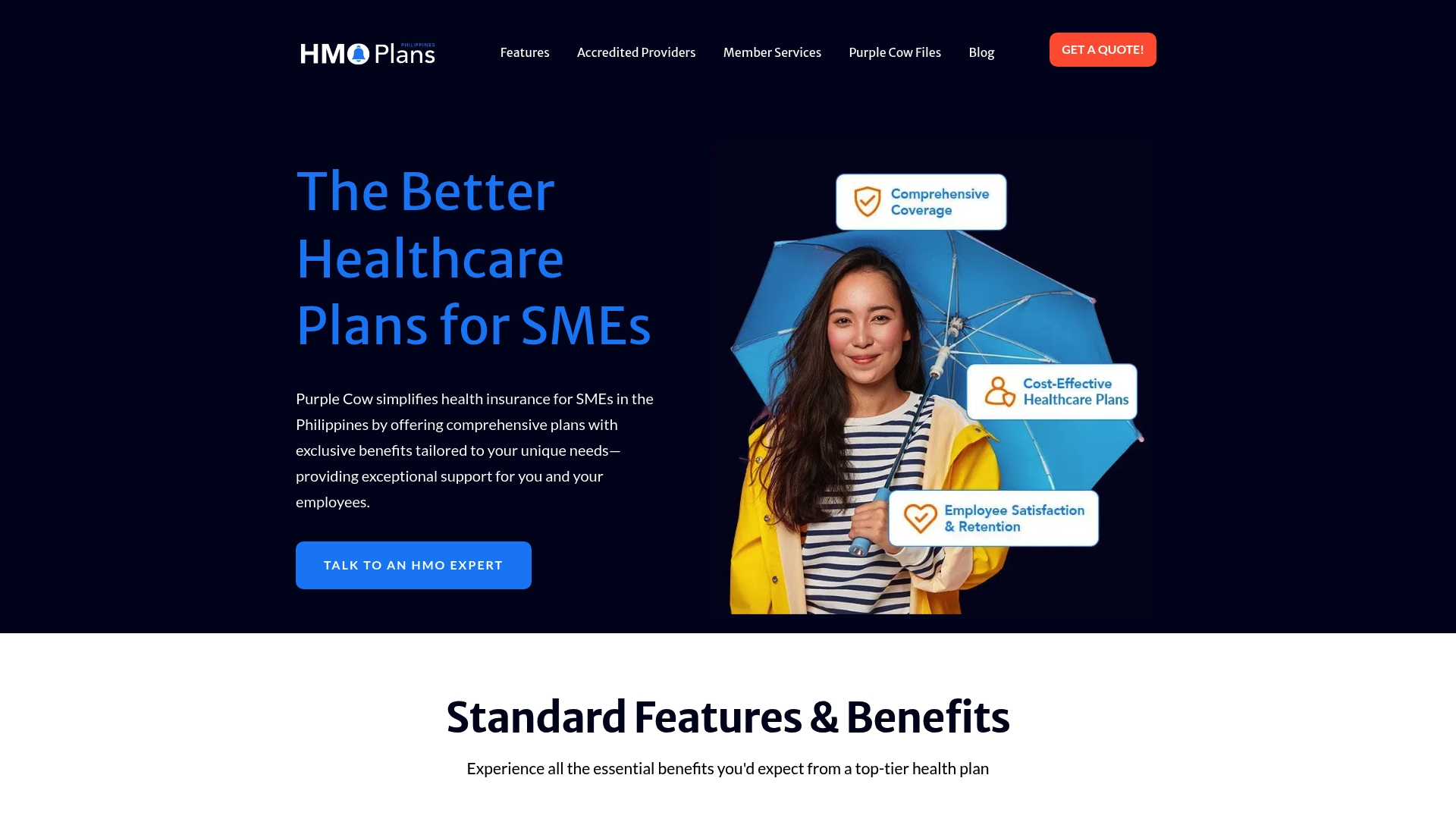
Discover how HMO Plans solves these challenges with plans designed specifically for Small and Medium Enterprises in the Philippines. Benefit from 100% pre-existing condition coverage up to the Maximum Benefit Limit, access to premier hospitals including the Big 9 Hospitals and Healthway Clinics, and flexible add-ons like dental and life insurance. Enjoy seamless cashless claims nationwide and user-friendly digital tools created to keep your team healthy and empowered.
Take the next step toward safeguarding your employees and elevating your benefits package today—visit HMO Plans and explore a straightforward, cost-effective solution that aligns perfectly with the 6-step health insurance checklist every BPO should follow.
Frequently Asked Questions
How do I assess accredited hospital and clinic networks for my BPO’s health insurance?
To assess accredited hospital and clinic networks, request a list of facilities covered by your insurance provider in areas where your employees work. Map these locations to ensure proximity, aiming for at least 60% accessibility for staff, and consider contacting the networks directly to verify their accreditation status.
What should I look for regarding coverage of pre-existing and no-fault conditions when choosing health insurance?
Look for insurance policies that clarify how they handle pre-existing conditions, including waiting periods and exclusions. Ensure the plan includes comprehensive coverage for both pre-existing conditions and no-fault events to safeguard your employees’ health needs from the start.
How can I compare different plans’ inpatient, outpatient, and emergency benefits?
To compare plans effectively, create a side-by-side chart that summarizes key benefits like inpatient stay coverage, outpatient visit limits, and emergency care access. Pay close attention to co-payment structures and available services to select a plan that aligns with your employees’ healthcare usage patterns.
What optional add-ons should I consider to customize my BPO’s health insurance plan?
Consider add-ons such as dental coverage for routine care, critical illness coverage for significant health events, and annual physical exams. Customize your benefits package based on employee demographics and needs, ensuring the add-ons truly benefit your workforce without wasting resources on unnecessary options.
How important is cashless access and digital healthcare platforms in my BPO’s health insurance?
Cashless access is crucial as it allows employees to receive care without upfront payment, alleviating financial stress. Additionally, digital healthcare platforms streamline the claims process and improve access to services, which can enhance employee satisfaction and encourage them to use their benefits more effectively.
What factors should I consider for cost, policy terms, and support services when selecting health insurance?
Evaluate the total cost of ownership by considering premiums, deductibles, and out-of-pocket expenses, alongside policy terms like exclusions and waiting periods. Prioritize support services that offer 24/7 assistance and proactive engagement, ensuring your employees feel supported and informed about their coverage.
Recommended
- The Better HMO Plans for SMEs | Purple Cow | Accredited Providers | Rai dela Cruz | Best HMO Plans Philippines - Purple Cow
- HMO Health Insurance for Small and Medium Enterprises in the Philippines
- PhilHealth Updates & Compliance in 2025: A Guide for SMEs in the Philippines
- The Better HMO Plans for SMEs | Purple Cow | Features | Rai dela Cruz | Best HMO Plans Philippines - Purple Cow
- Step by Step Drug Screening Workflow for HR Managers
