
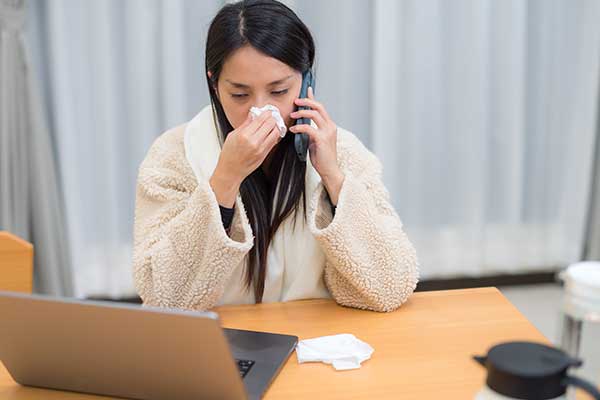
Managing Sick Leave After the Holidays: Practical Tips for HR
Sick leave after the holidays is often a health signal, not a performance issue.
January sick leave is a pattern, not a problem
Every January, HR teams notice the same trend. Sick leave requests rise just days after employees return. Coughs linger. Fatigue shows up. Some employees try to work through symptoms until they cannot.
This pattern is not a sign of poor attendance habits. It is the result of travel, disrupted routines, exposure to crowds, and delayed care during the holidays. Treating it as a discipline issue often makes matters worse.
The first step is recognizing sick leave as a health signal.
Why sick leave spikes after the holidays
Several factors converge at the same time. Travel exposes employees to illness. Sleep schedules shift. Preventive care gets postponed. When work resumes, the body is still catching up.
HR teams in SMEs often see:
• Short sick leaves turning into repeated absences
• Employees delaying doctor visits due to uncertainty
• Teams operating understaffed during the first weeks back
These issues rarely resolve on their own. Without early intervention, minor illnesses stretch into longer recovery periods.
Early care shortens time away from work
The difference between a two day absence and a two week absence is often timing. Employees who consult early recover faster.
HR teams can reduce prolonged sick leave by encouraging:
• Early outpatient visits for lingering symptoms
• Use of teleconsults for quick medical advice
• Rest instead of presenteeism
Clear guidance removes hesitation. When employees know care is accessible, they are less likely to delay treatment.
Coverage access shapes employee decisions
Employees do not delay care because they want to. They delay care because they are unsure.
Common barriers include not knowing where to go, not understanding coverage limits, or assuming consultation will be complicated. When access feels unclear, employees wait until symptoms worsen.
Health plans that support outpatient care and teleconsult services lower these barriers. Employees act sooner. HR teams deal with fewer escalations later.
HR guidance works better than enforcement
January is not the time for stricter attendance rules. It is the time for clear health reminders.
Effective HR responses include:
• Reminding employees of outpatient and consultation coverage
• Sharing simple steps on how to access care
• Reinforcing that early treatment is encouraged
This approach builds trust and keeps teams functional during recovery periods.
How Purple Cow supports faster recovery
Purple Cow plans support everyday healthcare needs that matter most during post-holiday recovery. Outpatient access, consultations, and digital support channels help employees seek care without delay.
When employees understand how to use coverage, HR teams spend less time managing repeated sick leave requests. Recovery becomes smoother and more predictable.
Managing sick leave protects productivity
Sick leave handled early protects teams and schedules. Employees return healthier. Managers regain stability. HR spends less time reacting.
For SMEs, this approach balances care and continuity. Treating sick leave as a health signal supports both people and performance.
January sets the pace. Responding with clarity makes the difference.
Talk to Purple Cow
Support your HR team with coverage that helps employees recover faster. You can get a quote and explore outpatient and teleconsult support through Purple Cow here: https://hmoplans.ph/get-a-quote.
