

Optimizing healthcare costs for Philippine SMEs in 2026
Managing employee healthcare costs presents one of the biggest financial challenges for small and medium enterprises in the Philippines. Between mandatory contributions to SSS, PhilHealth, and Pag-IBIG, plus the rising cost of supplemental health coverage, SME owners face mounting pressure on their budgets. The good news? Strategic approaches exist to optimize these expenses without sacrificing employee wellbeing. This guide walks you through actionable methods to control healthcare spending while maintaining quality benefits that keep your team healthy and productive in 2026.
Table of Contents
- Understanding Mandatory Healthcare Contributions And Compliance
- Combining Philhealth And Hmo Coverage For Cost-Effective Employee Healthcare
- Negotiating Healthcare Costs And Implementing Wellness Programs
- Addressing Employee Health And Retention To Reduce Hidden Healthcare Costs
- Explore Cost-Effective Hmo Plans Designed For Philippine Smes
Key takeaways
| Point | Details |
|---|---|
| Mandatory contributions strain budgets | SSS, PhilHealth, and Pag-IBIG contributions require careful tracking to avoid penalties |
| Dual coverage maximizes value | Combining PhilHealth baseline protection with HMO outpatient services delivers comprehensive care cost-effectively |
| Wellness programs deliver strong ROI | Preventive health initiatives reduce long-term expenses and improve employee retention |
| Negotiation reduces premiums | Strategic discussions with providers can lower insurance costs by 5-10% annually |
| Compliance prevents costly penalties | Understanding regulations protects your business from fines and potential closure |
Understanding mandatory healthcare contributions and compliance
Every Philippine SME must navigate three mandatory contribution systems that directly impact payroll costs. The Social Security System requires a 15% total contribution split between employer and employee, with employers shouldering 10% and employees contributing 5% on salaries up to PHP 30,000. PhilHealth premiums follow a 5% rate divided equally between both parties, applied to monthly salaries ranging from PHP 10,000 to PHP 100,000. Pag-IBIG contributions sit at 2% each from employer and employee, capped at a PHP 5,000 salary base.
These percentages add up quickly. For a company with 20 employees earning an average of PHP 25,000 monthly, you’re looking at roughly PHP 150,000 in monthly employer contributions alone across all three programs. That’s PHP 1.8 million annually before considering any supplemental health benefits.
| Program | Employee Share | Employer Share | Salary Cap |
|---|---|---|---|
| SSS | 5% | 10% | PHP 30,000 |
| PhilHealth | 2.5% | 2.5% | PHP 100,000 |
| Pag-IBIG | 2% | 2% | PHP 5,000 |
The legal stakes run high for non-compliance with contribution mandates. The Department of Labor and Employment enforces strict penalties including substantial fines, interest charges on late payments, and in severe cases, business suspension or closure. These aren’t empty threats. Regulatory bodies actively audit SMEs and pursue violators.
To maintain compliance and avoid financial disasters, follow these essential steps:
- Track contribution deadlines meticulously using digital calendars or payroll software
- Remit payments on or before the 10th of each month for SSS and the 10th for PhilHealth
- Maintain detailed records of all remittances and employee deductions
- Register new employees with all three agencies within their first month
- Reconcile monthly contributions against payroll to catch discrepancies early
Pro Tip: Partner with payroll providers who specialize in Philippine compliance requirements and automate remittance schedules. This investment pays for itself by eliminating late fees and reducing administrative burden on your team.
Combining PhilHealth and HMO coverage for cost-effective employee healthcare
PhilHealth serves as your baseline defense against catastrophic healthcare costs. It covers inpatient hospitalization, major surgeries, and serious illnesses with standardized benefit packages. However, PhilHealth’s limitations become apparent quickly. Outpatient consultations, diagnostic tests, preventive care, and dental services fall outside its scope, leaving employees to pay out of pocket for routine healthcare needs.
This gap creates the perfect opportunity for strategic HMO integration. Health Maintenance Organizations offer broader services including outpatient consultations, laboratory diagnostics, preventive screenings, dental care, and optical services. When you layer HMO coverage over PhilHealth, employees gain comprehensive protection while your company controls costs more effectively than relying on either system alone.
| Coverage Type | PhilHealth | HMO | Combined Benefit |
|---|---|---|---|
| Inpatient Care | Partial coverage | Full coverage up to limit | Maximum protection, minimal employee expense |
| Outpatient Visits | Not covered | Covered | Employees access routine care without cost |
| Diagnostics | Limited | Comprehensive | Early detection reduces severe illness costs |
| Preventive Care | Minimal | Extensive | Wellness focus lowers long-term expenses |
| Network Access | Government facilities | Private hospitals and clinics | Flexibility and faster service |
The financial logic is straightforward. PhilHealth handles expensive emergencies and hospitalizations at no additional premium cost beyond your mandatory contributions. Your HMO investment then covers the frequent, lower-cost interactions that keep employees healthy and productive. This prevents small health issues from escalating into expensive crises.

Consider network coverage carefully when selecting an HMO provider. Plans with access to premier facilities and extensive clinic networks deliver better value because employees actually use their benefits. Limited networks frustrate staff and reduce utilization, wasting your investment.
Review your HMO plan options annually. Healthcare costs fluctuate, employee demographics shift, and new providers enter the market with competitive offerings. What worked last year might not represent the best value today. Regular assessments ensure your coverage aligns with both employee needs and budget constraints.
Pro Tip: Survey employees about their healthcare usage patterns before renewing or changing plans. Understanding whether your team prioritizes dental care, optical services, or diagnostic testing helps you negotiate customized packages that maximize perceived value while controlling costs.
Negotiating healthcare costs and implementing wellness programs
Most SME owners accept the first premium quote they receive from HMO providers. This passive approach leaves significant money on the table. Healthcare provider negotiations can reduce your premiums by 5-10% through strategic discussions about group size, coverage scope, and contract terms.
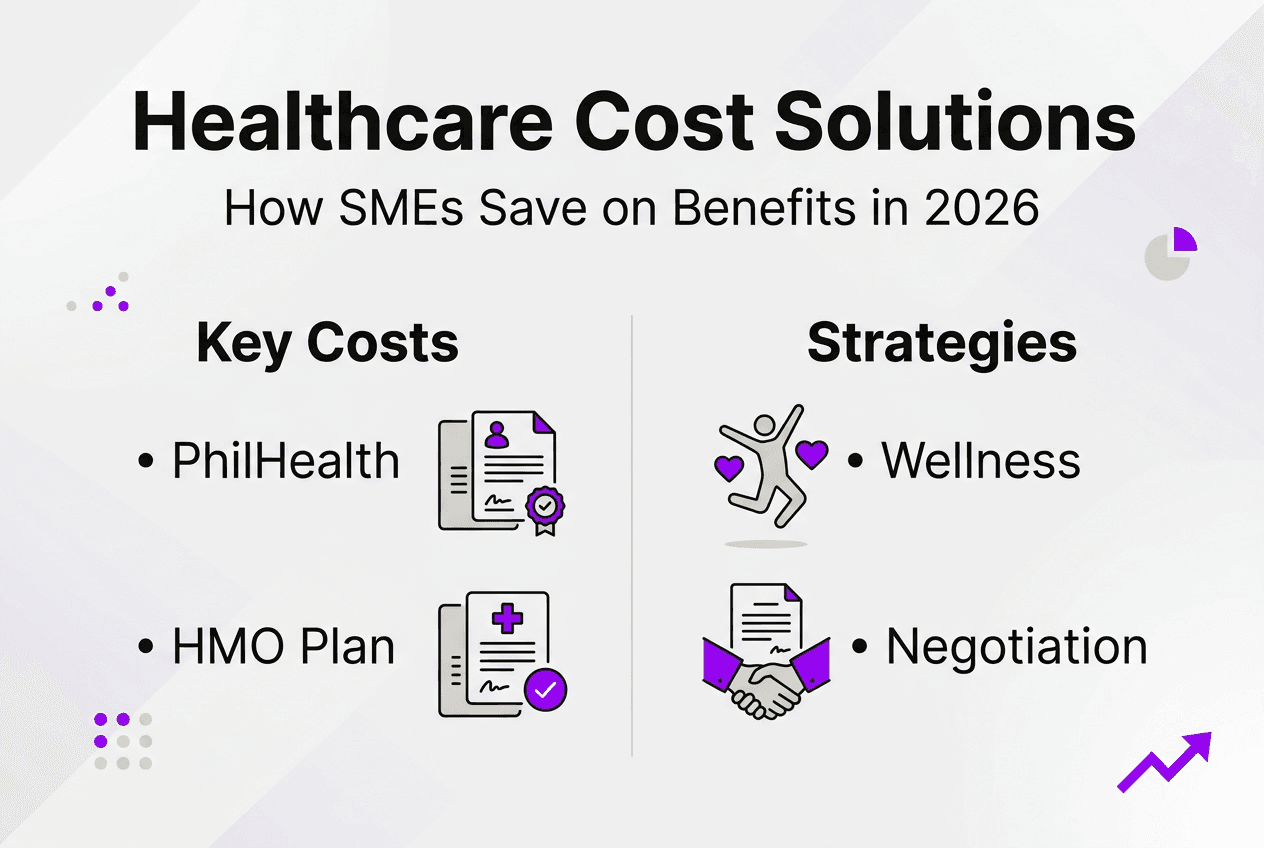
Start negotiations by gathering competitive quotes from at least three providers. Use these as leverage to push for better rates. Highlight your company’s low claims history if applicable, or propose higher deductibles in exchange for lower premiums. Many providers offer discounts for multi-year commitments or for companies that bundle additional services like dental or life insurance.
Focus on these negotiation points:
- Volume discounts based on employee count or projected growth
- Customized benefit packages that exclude rarely used services
- Tiered coverage levels allowing employees to choose their protection level
- Wellness program integration that reduces premiums for healthier populations
- Payment terms that spread costs across the year for better cash flow
Beyond negotiation, wellness programs deliver remarkable ROI averaging $2 returned for every $1 invested. These initiatives reduce chronic disease prevalence, lower emergency care needs, and improve overall employee health. The financial impact compounds over time as your workforce becomes healthier and requires less intensive medical intervention.
Implementing effective wellness programs requires deliberate planning:
- Assess your workforce health profile through anonymous surveys or aggregate claims data
- Identify top health risks like diabetes, hypertension, or musculoskeletal issues
- Design targeted interventions such as fitness challenges, nutrition counseling, or stress management workshops
- Partner with healthcare providers who offer preventive screening packages
- Track participation rates and health outcomes to refine programs continuously
Johnson & Johnson’s famous wellness initiative demonstrates the potential. Their comprehensive program combining health screenings, fitness facilities, and disease management saved the company an estimated $250 million in healthcare costs over a decade while reducing employee absenteeism by significant margins.
Your SME doesn’t need a corporate giant’s budget to see results. Simple initiatives like subsidizing gym memberships, organizing walking groups, or providing healthy snacks create meaningful impact. The key lies in consistency and genuine employee engagement.
Pro Tip: Gamify wellness participation by creating friendly competitions between departments with small prizes. This social element dramatically improves engagement rates and makes health initiatives feel less like corporate mandates and more like enjoyable team activities.
Addressing employee health and retention to reduce hidden healthcare costs
High turnover creates a vicious cycle of healthcare cost escalation that many SME owners overlook. The Philippine BPO sector illustrates this challenge starkly, where attrition costs reach $13,000 per employee when accounting for recruitment, training, and lost productivity. Healthcare expenses compound this problem when chronic health issues and occupational diseases drive employees to leave.
BPO workers and similar office-based roles face elevated risks for back pain, eye strain, carpal tunnel syndrome, and stress-related conditions. These occupational health issues drive up both direct medical costs and indirect expenses through absenteeism and reduced productivity. When employees feel their health suffers because of work conditions, they seek opportunities elsewhere.
The financial math is brutal. Losing a trained employee costs you their accumulated knowledge, disrupts team dynamics, and requires months of investment to bring a replacement up to speed. Meanwhile, healthcare claims from stress and overwork spike during transition periods as remaining staff shoulder extra workload.
“Replacing a single employee in high-attrition industries can cost SMEs up to $13,000 when factoring in recruitment, training, and productivity losses during the transition period.”
Retention-focused health programs address root causes while improving your bottom line:
- Ergonomic assessments and equipment upgrades to prevent musculoskeletal disorders
- Mental health resources including counseling services and stress management training
- Flexible work arrangements that reduce burnout and improve work-life balance
- Regular health screenings that catch issues early before they become serious
- Clear career development paths that give employees reasons to stay long-term
Monitor leading indicators like sick leave patterns, workers’ compensation claims, and exit interview feedback. These signals reveal emerging health issues before they explode into major cost drivers. Proactive intervention at this stage costs far less than reactive crisis management.
Investing in employee wellbeing isn’t soft corporate social responsibility. It’s hard-nosed financial strategy that protects your healthcare investment while building a more stable, productive workforce. The SMEs that recognize this connection consistently outperform competitors who view health benefits as pure expense.
Explore cost-effective HMO plans designed for Philippine SMEs
The strategies outlined in this guide work best when paired with healthcare solutions built specifically for SME realities. You need coverage that balances comprehensive benefits with budget constraints, delivered by providers who understand the unique challenges facing Philippine small businesses.
HMO Plans offers tailored solutions that implement these cost optimization principles from day one. Our plans combine full PhilHealth integration with extensive outpatient coverage, preventive care services, and access to premier medical facilities. We help SMEs like yours control costs through transparent pricing, flexible customization options, and dedicated support that simplifies compliance and administration. Explore our plan features to see how comprehensive coverage fits your budget, or review our member services to understand the full support ecosystem available to your team.
FAQ
How can SMEs reduce their healthcare costs without compromising benefits?
Combine PhilHealth baseline coverage with strategic HMO plans that focus on preventive and outpatient care your employees actually use. Negotiate with multiple providers to secure competitive rates, then implement wellness programs that reduce long-term claims. Regular plan reviews ensure your coverage evolves with employee needs while maintaining cost efficiency.
What are the risks of non-compliance with healthcare contribution laws for SMEs?
Non-compliance triggers fines, interest penalties, and potential business closure enforced by DOLE and regulatory agencies. Beyond financial penalties, you risk employee lawsuits and damage to your company’s reputation. Timely remittance and accurate record-keeping protect your business from these legal and financial threats.
How do wellness programs improve ROI for SMEs?
Companies see average returns of $2 for every $1 invested in wellness initiatives through reduced healthcare claims and improved productivity. These programs catch health issues early through preventive screenings, reducing expensive emergency care and hospitalizations. Healthier employees also take fewer sick days and demonstrate higher engagement, indirectly lowering operational costs.
What’s the difference between PhilHealth and HMO coverage?
PhilHealth provides government-mandated baseline protection focused on inpatient care and major medical events with standardized benefits. HMOs offer broader private coverage including outpatient consultations, diagnostics, preventive care, and faster access to private medical facilities. Using both systems together maximizes employee protection while optimizing your healthcare investment.
Recommended
- 2025 Health Trends for SMEs in the Philippines: Key Strategies for Smarter Benefits
- Beyond PhilHealth: How SMEs Can Maximize Health Investments for Better ROI
- The Better HMO Plans for SMEs | Purple Cow | Blog | Rai dela Cruz | Best HMO Plans Philippines - Purple Cow
- Eumir
- 6 Top Advertising Trends 2026 for SMEs Using AI - Palmador Blog
- 7 Financial Planning Tips for Small Businesses in 2025
