

Philippine HR: Avoid Hypertension Billing Surprises, HMO MBL and IC Rule
Yes, most HMOs cover hypertension, but almost always as a pre-existing condition subject to disclosure rules, waiting periods, and a Maximum Benefit Limit (MBL). The first move for any employee or HR manager is simple: pull out the policy’s PEC clause and MBL figure before assuming anything is covered, and disclose existing hypertension honestly during enrollment.
TL;DR:
- Hypertension coverage under HMOs generally involves outpatient management and inpatient treatment for complications, with specifics varying by plan and network.
- Pre-existing hypertension is typically classified as a pre-existing condition, leading to waiting periods of six months to two years, unless employer negotiations shorten this timeframe.
- The Maximum Benefit Limit often caps annual payouts for hypertension complications, making it crucial to choose plans with higher MBLs or separate outpatient riders.
- Employers should verify exact PEC clauses, MBL figures, outpatient coverage, and network access before selecting a plan to ensure true protection for hypertensive employees.
- Accurate disclosure at enrollment and proper claim management are key to avoiding denials, with formal documentation essential during the claims process.
Table of Contents
- What Does Hypertension Coverage Under an HMO Actually Include?
- How Do HMOs Treat Hypertension as a Pre-Existing Condition?
- How MBL and ABL Limits Shape Financial Risk for Hypertensive Members
- HR Checklist for Choosing HMO Coverage When Hypertension Is in the Picture
- How to Declare, Manage, and Claim Hypertension Care Under Your HMO
- How HMO Plans Structures Pre-Existing Condition Coverage for SMEs
- What HR Teams Get Wrong About Chronic Condition Coverage
- Get Straightforward Pre-Existing Condition Coverage With Hmoplans
- Where to Verify These Rules Yourself
- Sources
What Does Hypertension Coverage Under an HMO Actually Include?
Hypertension coverage under an HMO typically splits into two lanes: outpatient management and hospitalization for complications. Most plans handle these very differently, and confusing the two is where employees run into billing surprises.
Outpatient coverage is where day-to-day hypertension management happens. A well-structured HMO plan gives members access to general practitioner and cardiology consults, periodic diagnostics like ECG, blood chemistry panels, and 2D echo, plus some form of maintenance medication support, either through a pharmacy benefit or a reimbursement scheme. Trusted local explainers consistently flag outpatient diagnostics and cardiology access as the two features hypertensive members should scrutinize hardest, since these are the recurring costs that add up over a year, not the rare emergency.

Hospitalization coverage kicks in for complications: stroke, a cardiac event, kidney involvement, or an acute hypertensive crisis. Whether that admission is cashless or reimbursement based depends entirely on the plan’s admission benefit terms and how much of the MBL remains unused. Cashless access means the hospital bills the HMO directly at accredited facilities, so the member walks out without settling a bill at the counter. Reimbursement means the member pays first and files paperwork later, which is slower and puts cash flow pressure on the employee.
Network access shapes how convenient any of this actually is. A plan’s accredited hospital and clinic list determines where a member can walk in and get cashless service versus where they need a Letter of Authorization (LOA) or a formal referral first. For hypertensive employees who need regular cardiology follow up, a shallow network with only a handful of accredited cardiologists in the address book creates friction every single quarter.
What commonly falls under hypertension coverage:
- GP and cardiology consultations, often unlimited or capped per year
- Diagnostic tests: ECG, lipid profile, blood chemistry, sometimes 2D echo
- Maintenance medication, either dispensed on site or reimbursed against receipts
- Emergency room visits for hypertensive crisis, subject to the plan’s ER benefit
- Inpatient admission for complications like stroke or cardiac events, up to the MBL
A revealing data point from industry plan comparisons: HMO cards in the Philippines range from budget emergency-only cards to premium executive plans with dramatically different MBLs, and the gap between those tiers is exactly where hypertensive employees either get protected or get exposed. A plan that looks similar on the surface can differ by hundreds of thousands of pesos in annual protection once you check the fine print.
How Do HMOs Treat Hypertension as a Pre-Existing Condition?
Hypertension almost always gets classified as a pre-existing condition (PEC) once it’s diagnosed before a policy’s effective date, and that classification is what triggers waiting periods, exclusions, or reduced benefits. The rules governing this aren’t left entirely to insurer discretion.
Insurance Commission Circular Letter No. 2018-66 sets the framework HMOs must follow when defining and disclosing PEC treatment. The circular requires insurers to spell out, in the contract itself, how a pre-existing condition will be handled, including scenarios where a disease might be covered for hospitalization but excluded when it’s classified as pre-existing. That distinction matters because two members with the same diagnosis can get very different outcomes depending on how their specific contract defines the term.
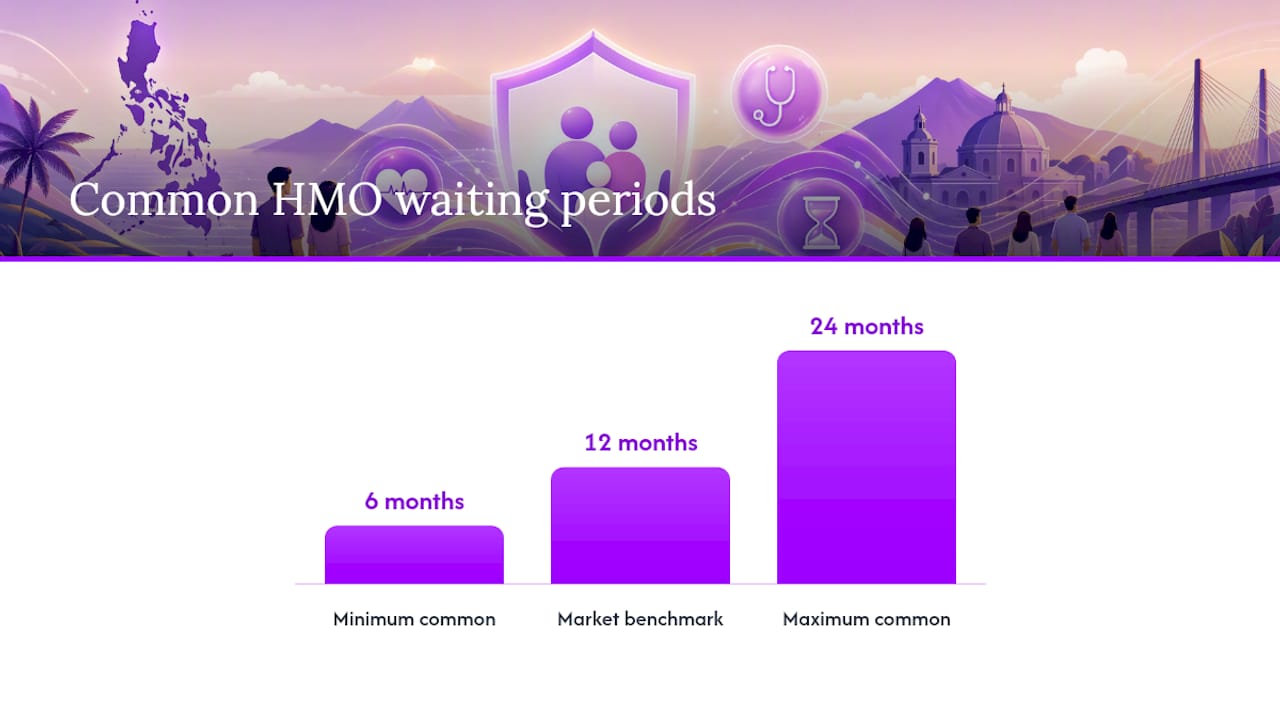
Waiting periods are the practical mechanism insurers use to manage PEC risk. Waiting periods commonly run anywhere from six months to two full years, with a twelve-month window being a frequent benchmark in the market, though this varies by insurer and plan tier. Group and corporate plans often have more flexibility here. Employers negotiating HMO contracts for a workforce can sometimes get insurers to waive or shorten the waiting period entirely, especially for larger groups where the risk pool is broader.
Here’s the detail most employees miss: undiagnosed hypertension can still be treated as a pre-existing condition. If medical records show elevated blood pressure readings, or a physician documented symptoms before the policy start date, an insurer can apply what’s sometimes called a “prudent person” standard, essentially asking whether a reasonable person with those symptoms would have sought care. A missing diagnosis on paper doesn’t automatically mean a clean slate.
What determines how your hypertension gets classified:
- The exact wording of the PEC clause in your specific contract
- Whether symptoms or elevated readings appear in prior medical records
- Whether your enrollment is individual or part of a negotiated group plan
- How long you’ve been continuously covered under the same or a prior HMO
How MBL and ABL Limits Shape Financial Risk for Hypertensive Members
The Maximum Benefit Limit is the ceiling an HMO pays out per illness or injury each year, and for a chronic condition like hypertension, this number matters more than almost any other line in the contract. The Annual Benefit Limit, by contrast, is the total cap across all conditions combined for that member in a given year.
Here’s why this distinction becomes urgent fast: a single serious hospitalization, say a stroke with ICU time and rehabilitation, can burn through an entire MBL in one admission. Industry comparisons of Philippine HMO plans show that MBL figures vary widely across plan tiers, and a member on a lower tier can exhaust their entire annual protection with one hospitalization event, leaving nothing for follow up care or a second complication in the same year.
Pro Tip: Ask your broker or HMO representative for a sample claims scenario, such as a hospitalization with a cardiac complication, so you can see in concrete numbers how the MBL and ABL would actually apply rather than guessing from abstract policy language.
Whether the MBL resets per illness or gets absorbed into a combined ABL cap changes the math considerably. Under some plan designs, hypertension-related admissions draw from a dedicated per-condition MBL, leaving other benefits untouched. Under others, everything draws from one shared ABL, which means a hypertension complication early in the year can quietly reduce what’s available if the member later needs care for something unrelated.
Plan features worth prioritizing if hypertension is in the picture:
- A higher MBL specifically for cardiovascular or chronic conditions, not just a generic overall figure
- An outpatient rider that covers maintenance consults and diagnostics separately from the inpatient MBL
- Clarity on whether the MBL is per illness, per year, or shared across all conditions
- No-gap guarantees that prevent balance billing at accredited hospitals within the network
The plan with the lower premium isn’t automatically the worse deal, and the plan with the higher premium isn’t automatically the safer one. What matters is which number, MBL or ABL, actually gets consumed first when a hypertensive employee needs real care.
HR Checklist for Choosing HMO Coverage When Hypertension Is in the Picture
Evaluating an HMO plan for a workforce that includes employees managing hypertension takes more scrutiny than comparing premium quotes side by side. Use this sequence when reviewing proposals from brokers or underwriters.
- Request the written PEC clause. Don’t accept a verbal summary. Ask for the exact contract language defining pre-existing conditions and how hypertension specifically gets classified.
- Get the waiting period in writing. Confirm the exact number of months, and ask whether group enrollment qualifies for a waiver or reduction.
- Pin down the MBL and ABL as numbers, not ranges. A broker who can’t give you a specific peso figure for each doesn’t have a finalized quote yet.
- Confirm outpatient diagnostics coverage. Ask specifically whether ECG, blood chemistry, and 2D echo are included or require a separate rider.
- Check medication and pharmacy policy. Some plans dispense maintenance drugs directly; others require reimbursement with receipts, which changes the employee’s out-of-pocket timing.
- Verify cardiology access in the network. A plan is only as good as the specialists an employee can actually reach without long waits.
- Understand the pre-authorization and LOA process. Ask how long approval typically takes for a planned cardiology consult versus an emergency admission.
Once you have those seven answers in hand, negotiate. Employers have more leverage over group HMO terms than most HR teams realize. A waived or shortened waiting period at enrollment protects every employee with a chronic condition from day one, not just hypertension. Choosing a higher MBL tier specifically for the segment of your workforce likely to need cardiovascular care often costs less per head than the corresponding hospital bill would cost the company in absenteeism and out-of-pocket reimbursement requests later.
The real comparison HR should run isn’t premium versus premium. It’s premium versus protection. A plan with a higher price that covers hypertension from day one, with no waiting period and a generous MBL, frequently beats a cheaper plan that excludes the condition for the first year, then caps hospitalization at a level that doesn’t cover a real cardiac admission. Run both scenarios against a realistic claims estimate before signing.
How to Declare, Manage, and Claim Hypertension Care Under Your HMO
Getting hypertension coverage right starts before the first consult and continues through every claim filed. Follow these steps in order.
- Disclose fully at enrollment. Attach blood pressure records, current prescriptions, and any specialist notes to your enrollment form. Under-disclosure is the single most common reason claims get denied later, since Circular Letter No. 2018-66 requires accurate PEC disclosure as part of the contract’s good-faith terms.
- Confirm your waiting period status in writing. Get a written confirmation from HR or the broker of exactly when hypertension-related coverage becomes active.
- Book routine consults through the accredited network. Using an in-network GP or cardiologist keeps the visit cashless and avoids the reimbursement paperwork entirely.
- Secure LOA or pre-authorization before scheduled procedures. Diagnostics like a 2D echo or a planned admission almost always require this step first. The process for requesting an LOA typically runs through the HMO’s member portal or hotline.
- Manage repeat prescriptions proactively. Renew maintenance medication approvals before they lapse, since a gap in documentation can complicate a later claim.
- If a claim is denied, request the denial in writing with the specific clause cited. This gives you something concrete to appeal against rather than a verbal explanation.
- Escalate through the insurer’s formal appeal process first, then to the Insurance Commission if the denial appears to conflict with disclosed contract terms or Circular Letter No. 2018-66’s disclosure requirements.
Every step here protects the same thing: your paper trail. Insurers approve and deny claims based on documentation, not memory.
How HMO Plans Structures Pre-Existing Condition Coverage for SMEs
HMO Plans built its coverage around one specific gap that trips up a lot of SMEs: what happens when an employee already has hypertension before the policy starts.
That commitment runs through underwriting partnerships with Purple Cow and Etiqa, giving the plan real backing for claims reliability and access to an accredited network that includes Big 9 Hospitals and Healthway Clinics nationwide. For an HR manager checking boxes against the earlier checklist, that combination directly answers the network and claims-reliability questions.
A hypertensive employee shouldn’t have to choose between disclosing an honest medical history and getting meaningful coverage. Covering pre-existing conditions up to the MBL, rather than excluding them outright, is what actually protects a workforce with real medical histories, not just healthy new hires.
When requesting a quote from Hmoplans, ask specifically for:
- A sample PEC clause showing how hypertension and related cardiovascular conditions are classified
- The MBL tiers available and how they scale with group size or premium
- Outpatient rider options covering diagnostics and cardiology consults separately from inpatient limits
- A walkthrough of the LOA and pre-authorization process for a typical cardiology referral
Those four items turn a generic quote into a document HR can actually compare against competing proposals.
What HR Teams Get Wrong About Chronic Condition Coverage
Most HR teams treat HMO selection as a premium negotiation, when it should be a risk allocation decision. Cost, coverage depth, and employee retention pull against each other, and pretending they don’t is how companies end up with plans that look affordable on paper and fail an employee at the worst possible moment.
Three things worth trying with brokers: first, ask for the waiting period waiver in writing before signing, not as a verbal assurance. Second, push for a per-condition MBL breakdown rather than accepting a single headline number. Third, request outpatient riders priced separately, since bundling them into a generic package often hides the real cost of chronic-condition management.
The employers who get this right treat hypertension coverage as retention infrastructure, not an insurance line item.
— Eumir
Get Straightforward Pre-Existing Condition Coverage With Hmoplans
Certain providers give SMEs a way to cover hypertension and other pre-existing conditions from day one, up to the Maximum Benefit Limit, instead of forcing a long exclusion period on employees who already have a diagnosis on file.

That coverage may come with cashless access across a nationwide network, backed by underwriting partnerships, plus optional add-ons like dental HMO benefits and annual physical exams to build out preventive care alongside chronic condition management. If your current plan buries hypertension under a twelve-month exclusion or a thin MBL, it’s worth comparing that against a straightforward alternative. Review the full breakdown of plan features and request a sample PEC clause and MBL tier comparison for your team’s specific headcount and budget.
Where to Verify These Rules Yourself
Regulator documents and a few trusted explainers cover the ground this article walks through, and they’re worth bookmarking directly.
- Insurance Commission Circular Letter No. 2018-66: the governing rule on how HMOs must disclose and structure pre-existing condition treatment in their contracts.
- PhilHealth implementation guidance: explains how public PhilHealth benefits coordinate with private HMO payouts on hospital bills.
- Insurance Commission contact page: the escalation point if an insurer’s appeal process doesn’t resolve a denied hypertension claim.
- PinoyHMO’s explainer on high blood pressure coverage: a practical rundown of what to check for cardiology and diagnostics access.
- doktor.ph’s HMO comparison guide: useful for seeing how MBL and plan tiers vary across the Philippine market.
This article is general information, not a substitute for advice from a qualified doctor. Consult a qualified healthcare professional about your own circumstances before acting on anything here.
Sources
- Insurance Commission Circular Letter No. 2018-66
- PhilHealth implementation guidance
- Doktor
- Insurance Commission contact us
