

Room Classification in HMO: A Guide for Property Managers
TL;DR:
- Room classification in HMO determines the hospital room type a patient occupies and the coverage the plan provides. Property owners should verify tenants’ HMO plan details before hospitalization to prevent unexpected out-of-pocket expenses. Proactive coordination can minimize billing disputes and ensure tenants receive appropriate accommodation within their plan.
Room classification in HMO is the system hospitals use to categorize inpatient rooms by accommodation type, directly determining how much of a patient’s bill an HMO plan or PhilHealth will cover. For property owners and managers in the Philippines, this distinction matters more than most realize. When a tenant is hospitalized, the room they check into either aligns with their HMO plan’s coverage ceiling or creates an out-of-pocket gap that lands squarely on their shoulders. Understanding the HMO room categories used across Philippine hospitals gives you the context to guide tenants before a health crisis, not during one.
What is room classification in HMO and why does it matter?
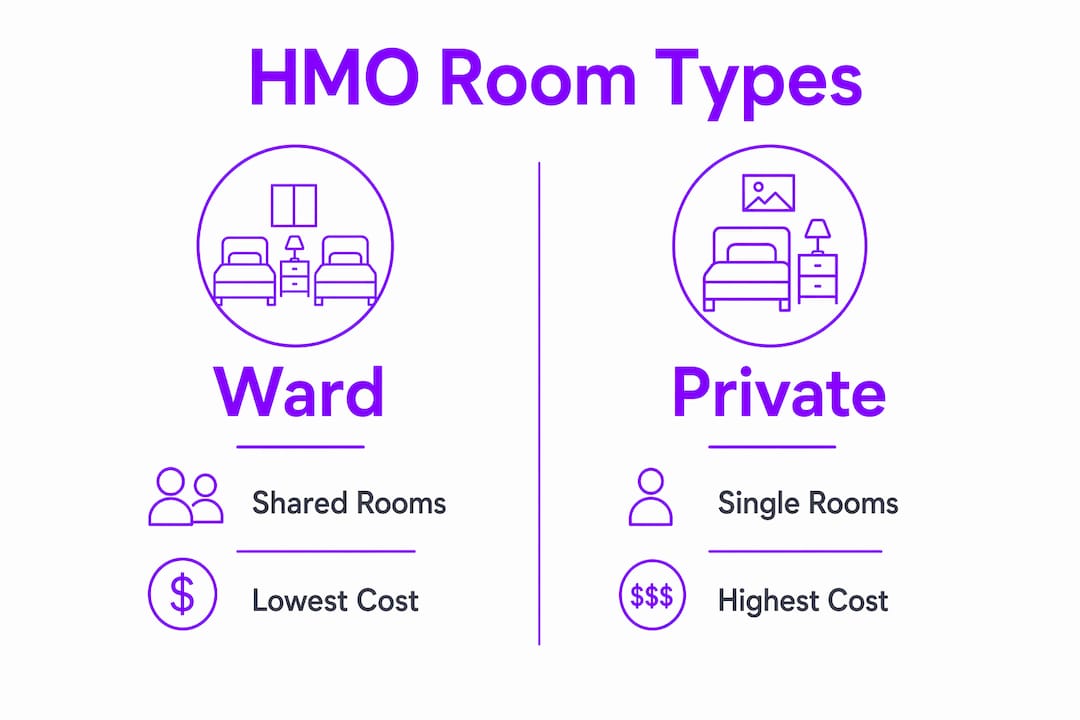
Room classification in HMO refers specifically to hospital billing categories for inpatient accommodation, not rental unit types. This is the single most common point of confusion for property owners who assume the term relates to their building. It does not. The classification system covers four standard room types found across accredited hospitals in the Philippines: ward, semi-private, private, and suite rooms.
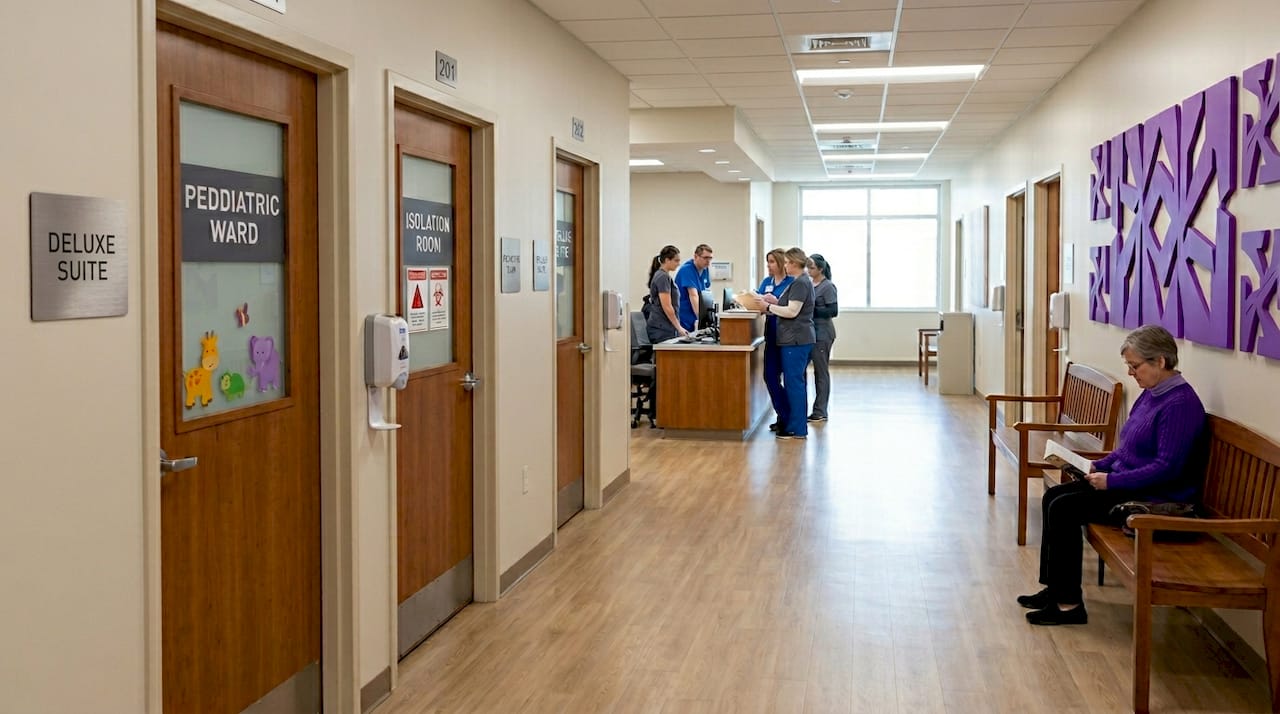
Each category carries a different daily rate and a different level of coverage eligibility under HMO and PhilHealth plans. A ward room typically houses four or more patients in a shared space with basic amenities. A semi-private room accommodates two patients and offers more privacy. A private room provides single-occupancy with a dedicated bathroom. A suite or executive room offers the highest level of comfort, often with a separate living area and premium amenities.
The financial stakes are real. Daily rates by room type at major hospitals like Cardinal Santos Medical Center range from roughly ₱2,800 to ₱4,200 for ward accommodation up to ₱18,000 and above per day for suite rooms. That spread represents a potential daily exposure of over ₱15,000 if a tenant chooses a room their HMO plan does not fully cover.
Hospital room types compared
| Room Type | Occupancy | Key Features | Typical Daily Rate |
|---|---|---|---|
| Ward | 4 or more patients | Shared space, basic amenities | ₱2,800 to ₱4,200 |
| Semi-private | 2 patients | Shared room, more privacy | ₱5,000 to ₱8,000 |
| Private | 1 patient | Single occupancy, private bath | ₱8,000 to ₱14,000 |
| Suite/Executive | 1 patient | Premium amenities, separate living area | ₱18,000 and above |
These figures reflect general market patterns across major Metro Manila hospitals. Rates vary by facility and location, so always verify with the specific hospital before admission.
How room classification affects HMO and PhilHealth coverage
The HMO plan tier a tenant holds determines the room and board ceiling their insurer will pay. Lower and mid-tier HMO plans typically cover charges up to a semi-private room. If a tenant checks into a private room under a mid-tier plan, the difference between the semi-private rate and the private room rate becomes an out-of-pocket expense. That gap accumulates daily for the entire length of the hospital stay.
PhilHealth operates on a separate but parallel system. Its case-rate system covers facility fees including room and board under fixed package amounts, but room upgrades and non-covered services fall outside that package. The practical implication is that PhilHealth’s contribution does not scale up simply because a patient chose a more expensive room.
PhilHealth’s Zero Balance Billing policy adds another layer of complexity. Zero Balance Billing eligibility is tied directly to accommodation type. Ward and basic accommodation in government hospitals qualifies for zero-balance coverage. Choosing a semi-private or private room generally disqualifies the patient from this benefit, shifting the entire remaining balance to the patient. This is not a minor technicality. It is a policy that can turn a manageable hospital bill into a significant financial burden.
A critical nuance worth knowing: many HMO claim denials for room coverage do not occur because the room type is excluded from the plan. They occur because the hospital admission process and payment authorization did not meet the HMO’s specific requirements for that room category. The authorization pathway matters as much as the room type itself.
Pro Tip: Always advise tenants to call their HMO provider before checking into a hospital room, not after. Confirming the room category that falls within their plan coverage takes five minutes and can prevent thousands of pesos in unexpected charges.
What property managers should do about tenant HMO room classifications
Property owners and managers are not healthcare administrators, but they are often the first point of contact when a tenant faces a health crisis. A basic understanding of how to classify rooms in HMO terms gives you the ability to set realistic expectations and prevent disputes.
Here is a practical process to implement:
-
Collect HMO card details during tenant onboarding. Note the plan tier, the issuing HMO provider, and the room and board coverage limit. This takes two minutes and creates a reference point for any future hospitalization.
-
Verify room coverage with the tenant’s HR department or HMO provider. Many tenants do not know their own plan limits. A quick call to the HR contact listed on the HMO card confirms the room category covered and any authorization requirements.
-
Coordinate with hospital admission staff based on plan eligibility. When a tenant is admitted, sharing the confirmed room category with the admitting nurse or billing officer prevents a room assignment mismatch from the start.
-
Communicate proactively about excess charges. If a tenant’s plan covers semi-private but they prefer a private room, they need to know the daily difference before they sign the admission form. Surprises at discharge create conflict.
Verifying tenant HMO plan details and preferred accommodation with HR or the HMO provider before hospitalization is the most effective way to prevent unpaid balances and tenant dissatisfaction. This approach also protects you as a property manager from being caught in the middle of a billing dispute.
Pro Tip: Create a simple one-page tenant health benefits summary during move-in. Include the HMO provider name, plan tier, room and board limit, and the HMO hotline. Store it digitally so you can access it quickly in an emergency.
How do HMO room classification systems compare across Philippine providers?
The Philippine HMO market follows a consistent pattern in how room categories map to plan tiers, though specific limits vary by provider. Understanding these patterns helps you assess whether a tenant’s plan is likely to cover the hospitals in your area.
| HMO Plan Tier | Typical Room Coverage | Room and Board Limit (Daily) | Notes |
|---|---|---|---|
| Basic/Entry | Ward to Semi-private | ₱1,500 to ₱3,000 | Suitable for government and community hospitals |
| Mid-tier | Semi-private | ₱3,000 to ₱5,000 | Covers most accredited private hospitals |
| Standard | Private | ₱5,000 to ₱8,000 | Includes access to Big 9 Hospitals |
| Premium | Private to Suite | ₱8,000 and above | Full flexibility at premier facilities |
The pattern is consistent: mid-tier HMO plans cover semi-private rooms as the standard ceiling, while premium plans extend to private or suite accommodation. Tenants on basic plans who are admitted to private hospitals frequently encounter coverage gaps because the hospital’s lowest available room category exceeds their plan’s room and board limit.
In 2026, PhilHealth is exploring expanded accommodation benefits for direct contributors, including two-patient rooms with air conditioning as an improved standard. This signals a gradual shift in what “basic” accommodation means under government coverage, which may eventually affect how HMO providers calibrate their own room classification standards.
The HMO hospital network a plan includes also shapes room classification outcomes. A plan that covers private rooms but only within a limited network of hospitals may not help a tenant admitted to a non-accredited facility. Network coverage and room category coverage are two separate variables that must both align for a claim to succeed.
Key takeaways
Room classification in HMO determines coverage eligibility by matching the hospital room type a patient occupies to the room and board ceiling defined in their HMO plan tier.
| Point | Details |
|---|---|
| Room types define coverage limits | Ward, semi-private, private, and suite rooms each carry different HMO and PhilHealth coverage eligibility. |
| Mid-tier plans cap at semi-private | Most standard HMO plans cover up to semi-private rooms; private room upgrades create out-of-pocket gaps. |
| PhilHealth ZBB is accommodation-dependent | Zero Balance Billing applies to ward rooms in government hospitals and is lost when patients choose higher-tier rooms. |
| Admission authorization matters | Many HMO denials stem from authorization process failures, not room type exclusions. |
| Proactive verification prevents disputes | Collecting tenant HMO details and confirming room coverage before hospitalization eliminates billing surprises. |
Why landlords who ignore this end up paying for it
I have seen this play out more times than I care to count. A tenant gets hospitalized, checks into a private room because it feels like the right thing to do when you are sick, and then discovers at discharge that their HMO plan only covered the semi-private rate. The balance sits unpaid. The tenant disputes it. The property manager gets pulled into a conversation they were never equipped to have.
The uncomfortable truth is that most property owners treat HMO coverage as the tenant’s problem until it becomes everyone’s problem. Room classification is not complicated once you understand the four categories and how they map to plan tiers. What makes it complicated is the assumption that the tenant, the hospital, and the HMO provider will all figure it out without any coordination.
The landlords I have seen handle this well do one thing differently: they treat tenant health benefits as part of the onboarding process, not an afterthought. They ask for the HMO card. They note the plan tier. They keep a simple record. When hospitalization happens, they already know whether the tenant’s plan covers the hospital down the street and at what room level.
This is not overreach. It is the kind of practical support that builds long-term tenant relationships. And it costs nothing except five minutes during move-in. The HMO coverage examples that end badly almost always involve a room choice that nobody confirmed in advance.
— Eumir
How Hmoplans helps SMEs manage room classification challenges
Property managers overseeing tenant health benefits need an HMO partner that makes room and board coverage transparent, not confusing. Hmoplans, powered by Purple Cow, offers SME-focused plans with clearly defined room and board tiers, access to premier facilities including the Big 9 Hospitals and Healthway Clinics, and member support that helps employees understand their coverage before they need it.

Purple Cow’s HMO plan features include 100% coverage for pre-existing conditions up to the Maximum Benefit Limit, flexible plan customization, and a straightforward approach that removes the guesswork from room classification decisions. For property managers who want to offer tenants a plan that actually works when they are admitted to a hospital, exploring Purple Cow’s member services is a practical next step.
FAQ
What does room classification mean in HMO coverage?
Room classification in HMO refers to the category of inpatient hospital room a patient occupies, such as ward, semi-private, private, or suite. The category determines how much the HMO plan will pay toward the daily room and board charge.
What room type do most HMO plans in the Philippines cover?
Most mid-tier HMO plans in the Philippines cover up to semi-private room accommodation. Patients who choose a private or suite room under these plans pay the difference between the semi-private rate and the actual room rate out of pocket.
Does PhilHealth cover private room charges?
PhilHealth covers facility fees under a fixed case-rate system, but private room upgrades generally fall outside that coverage. Choosing a ward room in a government hospital qualifies patients for Zero Balance Billing, while private room selection typically disqualifies them from that benefit.
Why do HMO claims for room coverage get denied?
Many HMO room coverage denials occur because the hospital admission and payment authorization process did not follow the HMO’s specific requirements for that room category, not because the room type itself is excluded from the plan.
How can property managers help tenants with room classification?
Property managers can collect tenant HMO card details during onboarding, confirm the room and board coverage limit with the tenant’s HR department or HMO provider, and communicate the covered room category to hospital admission staff at the time of hospitalization.
